Which Car Insurance Discounts Do Seniors Miss Most
The discounts most often missed aren't hidden, they just require the driver to send in paperwork after the fact, and most people don't.
The mature driver course discount and the low mileage discount go unclaimed most
Insurers reward completing a mature driver or defensive driving course, but only after you send them the certificate. Taking the course does nothing on its own. The insurer has no way to know you took it unless you tell them, and most people assume the course provider reports it for them. It doesn't.
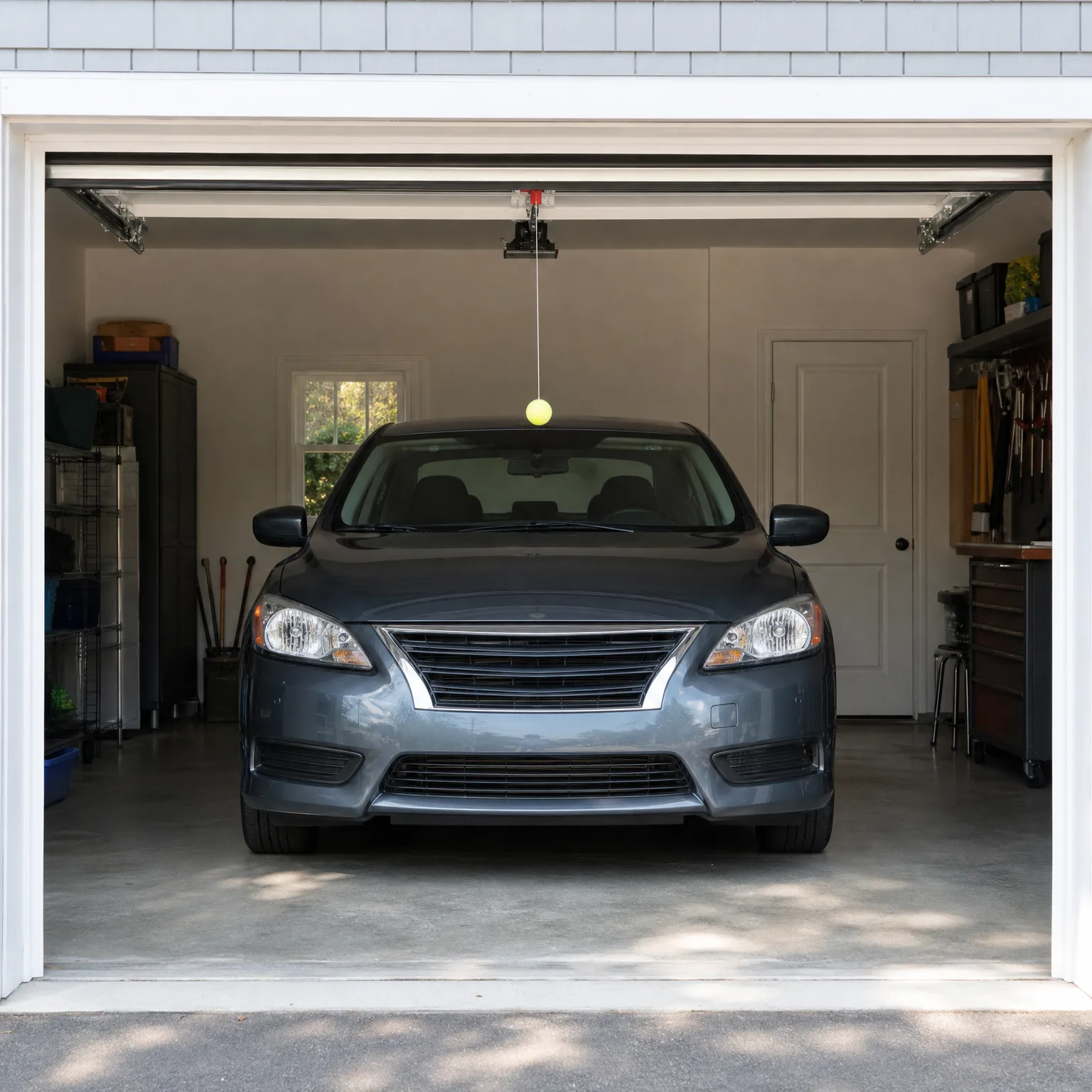
The second one is low mileage. Many retired drivers put on fewer miles than they did while working, but the discount isn't automatic. Some insurers ask you to report your mileage, others want an odometer reading or a device that tracks it. If nobody asks and you don't bring it up, you keep paying the same rate for miles you no longer drive.

Your insurer decides whether these exist and how you prove them
Not every insurer offers a mature driver course discount, and the ones that do set their own rules for what counts. Some accept any state-approved course. Others name a specific provider or require the course be retaken on a schedule. The only way to know what your insurer accepts is to ask them directly or check your policy documents.
The same is true for low mileage. One insurer might ask you to estimate your annual miles when you renew. Another might require a photo of your odometer or a plug-in tracker. If you've never been asked, that doesn't mean you don't qualify. It may mean your insurer requires you to ask first.
This is also why switching insurers can change what you're eligible for. A discount your current company doesn't offer might be standard at another, and one you've relied on for years might not carry over.
What most people get wrong about claiming them
The biggest mistake is assuming a discount applies automatically because you qualify for it in theory. Age alone doesn't trigger most senior discounts. You usually have to ask, provide proof, or check a box on a form.
The second mistake is letting paperwork lapse. Course certificates and mileage reports often have to be renewed on a schedule set by the insurer, not left in place forever. A discount applied two years ago can quietly disappear at a later renewal if nobody resubmits the proof.
The third is not reading the renewal notice closely. It's the one document that usually lists which discounts are currently applied to your policy. If a discount you expect isn't listed, that's the moment to call and ask why, not after the next renewal arrives.
Questions people ask about this
Do I have to retake the driving course every year to keep the discount?
It depends on the insurer, not the course provider. Some require the course again after a set number of years, others accept it once. Check your policy documents or ask your insurer directly how long the credit lasts.
Will my insurer tell me if I qualify for a senior discount?
Not reliably. Some send notices when a policy change takes effect, but many expect the policyholder to ask. Reviewing your renewal notice and calling to ask what discounts apply to your situation is the more dependable approach.
Does a defensive driving course discount affect my driving record?
No, the course and the discount are separate from your driving record. The course is about the insurance discount only. Any effect on points or violations on your license is a separate state matter, and you'd confirm that with your state's DMV.
Can I get a low mileage discount if I still drive to work part time?
Possibly, since it usually comes down to total annual mileage rather than whether you work. Ask your insurer what mileage threshold they use and how they want you to report or verify it.
Should I ask my current insurer about these discounts before comparing other companies?
Asking your current insurer first makes sense since it costs nothing and may turn up a discount already available to you. Comparing quotes afterward still makes sense, since another insurer may offer a discount or a lower base rate that yours doesn't.
See whether another insurer gives you credit for things yours doesn't ask about.

Pull your most recent renewal notice and look for a section listing current discounts. If the course or mileage discount isn't there, call your insurer this week and ask what they need from you to add it, whether that's a certificate, an odometer reading, or a form. Ask directly whether the discount needs to be renewed or resubmitted on any schedule. While you're on the phone, ask what other discounts apply to your situation specifically, since some aren't listed on the notice unless you ask. Once you know what your current policy offers, compare that against quotes from other insurers to see whether the same proof would earn you more elsewhere.