What Is Usage-Based Insurance
It's a policy that sets your rate based on how you actually drive, tracked through an app or a plug-in device, instead of relying only on your age and history.
It prices your policy on your actual driving
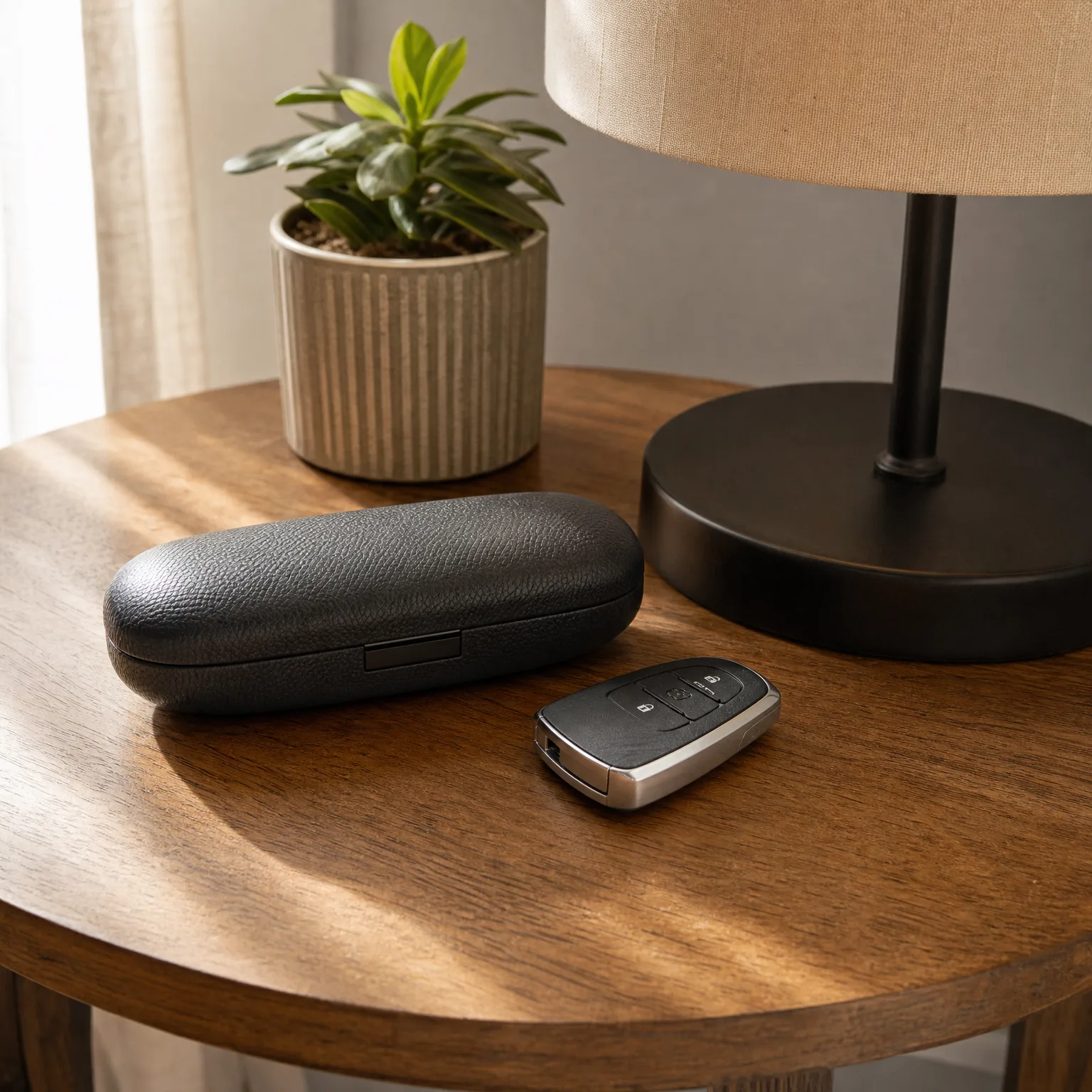
Usage-based insurance means your insurer watches how you drive, through a smartphone app or a small device plugged into your car, and uses that to set or adjust your premium. Things like how hard you brake, how fast you take corners, how much you drive at night, and how many miles you put on the car all factor in.
For an older driver, this can work in your favor or against you, depending on your habits. Someone who drives less than they used to, sticks to familiar roads, and avoids late-night trips often does well under these programs. Someone who brakes hard out of habit or drives frequently after dark may see a smaller discount than expected, or none at all.
How much you actually drive
Many usage-based programs give real weight to mileage, and this is often where retired or semi-retired drivers see the clearest benefit. If you've cut back on commuting or only drive locally now, a program that tracks miles can reflect that directly in your rate, rather than estimating it from a form you filled out once a year.
This isn't automatic. Some programs are built mainly around driving behavior and barely factor in mileage at all. Before signing up, ask your insurer or agent whether the program you're looking at weighs mileage, behavior, or both, since that changes what kind of driver benefits most.
It's also worth checking how the insurer verifies mileage. Some read it from the device itself, others ask you to report it, and some pair it with your renewal paperwork. If a number matters to your rate, you want to know where it comes from.

What the device or app actually measures
The specifics vary by insurer, and this is where a lot of people get surprised later. Some programs grade hard braking and fast acceleration. Others look closely at the time of day you drive, since nighttime driving carries more risk statistically. Some track phone handling while the car is moving.
If you're not sure which of these apply to a program you're considering, ask directly before you enroll. Find out what's measured, how often it's scored, and whether a bad week or a single trip can hurt your rate or if it averages out over time.
Also ask what happens if you decide to stop participating partway through your policy term. Some insurers let you opt out cleanly and return you to a standard rate. Others handle it differently, and that's worth knowing before you start, not after a few months in.
Questions people ask about this
Does usage-based insurance work for drivers who rarely drive at night?
Generally yes, since many programs score nighttime driving as higher risk and reward avoiding it. If most of your trips happen during the day, this is often one of the clearer ways to benefit. Confirm with the insurer how heavily nighttime driving is weighted in their specific program, since it varies.
Can usage-based insurance raise my rate instead of lowering it?
It can, depending on how you drive and what the program measures. If your driving includes frequent hard braking, late-night trips, or long daily mileage, some programs may price that higher than a standard policy would. Ask your insurer whether the program guarantees no increase or whether your rate can move in either direction.
Do I need a smartphone to use usage-based insurance?
It depends on the insurer and the specific program. Some rely entirely on a smartphone app, while others use a plug-in device that doesn't require a phone at all. If you don't want to use an app, ask whether a device-only option is available.
Will my insurer share my driving data with anyone else?
This depends on the insurer's own policies and the state you live in. Ask directly what the data is used for, whether it affects anything beyond your own premium, and how long they keep it. Get this in writing if it matters to you before you enroll.
Can I switch back to a regular policy if I don't like being tracked?
In many cases yes, but the terms depend on the insurer and the specific program you joined. Ask before enrolling whether you can opt out mid-term, what rate you'd return to, and whether leaving the program early affects your premium going forward.
If you want to see whether a usage-based program would actually help your rate, it helps to compare it against standard policies side by side.
Call your current insurer and ask directly whether they offer a usage-based program, what it measures, and whether it's based on mileage, behavior, or both. Ask to see sample scoring criteria if they have it, so you know what counts against you before you agree to anything. If you're comparing insurers, ask each one the same questions so the answers line up. Keep your current renewal notice handy so you can compare any usage-based offer against what you're already paying. Give yourself a few weeks of driving under the program, if one is available on a trial basis, before committing to it for a full term.