What Discounts Can I Get for Being 60 Years Old
At 60 you may qualify for a mature driver discount, but you usually have to ask your insurer and often take a short course to get it.
Yes, several discounts open up around this age
Being 60 can qualify you for a mature driver discount, sometimes tied to completing an approved defensive driving or refresher course. Some insurers set their own age threshold for this discount, and 60 falls inside it for many of them, though not all.
You may also qualify for other discounts that aren't about age at all, like low mileage if you're driving less than you used to, or bundling your home and auto policies. None of these apply automatically. You have to ask your insurer what you qualify for and then follow through on whatever they need from you, whether that's a course certificate or an updated mileage estimate.
Your insurer sets its own rules
There's no single age at which every insurer starts offering a discount. Some set the threshold at 60, others earlier or later, and some don't offer an age-based discount at all. The only way to know is to ask your insurer directly what age-related discounts they offer and what you need to do to get one.
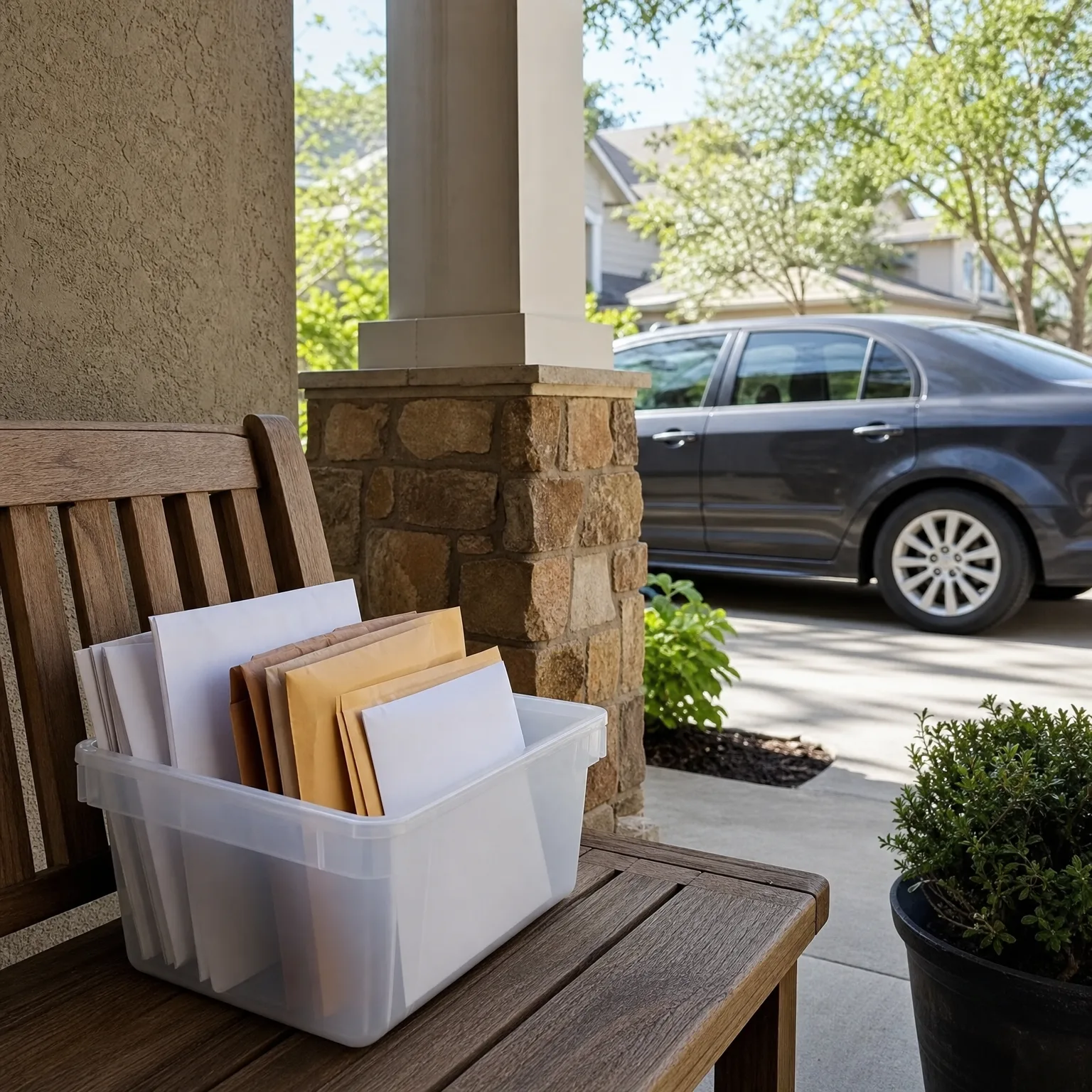
If your insurer does offer a mature driver discount, it's often conditional on completing a state-approved course. The course itself doesn't lower your rate. Sending the completion certificate to your insurer does. Many drivers finish the course and never send in the paperwork, so the discount never applies.
It's worth asking how long the discount lasts once it's applied. Some insurers require you to retake the course periodically to keep the discount active, and that requirement varies by insurer and sometimes by state.
If your current insurer doesn't offer much for your age, that's a reason to compare what other insurers offer. A discount that doesn't exist with one company might be standard with another.

Your driving habits matter as much as your age
Turning 60 often coincides with changes in how much you drive. If you're commuting less or not at all, ask your insurer about a low-mileage discount. This isn't tied to age, but it becomes relevant to a lot of drivers around this time.
Your driving record still carries more weight than your birthday. A clean record over recent years will usually do more for your rate than any age-based discount will. If you've had a violation or claim, mention that when you ask about discounts, since some mature driver programs still require a clean record to qualify.
Bundling policies is another area worth checking. If you've had auto and home insurance with separate companies, moving them to the same insurer sometimes unlocks a discount that has nothing to do with age but adds up alongside one that does.
What you drive factors in too. An older, paid-off car with lower repair costs can already have a lower premium, separate from any discount you qualify for personally.
Questions people ask about this
Does my insurance go up or down after 60?
It depends on your record and your insurer's own pricing, not your age alone. Some insurers see drivers in this age range as lower risk, which can help, but a recent claim or violation will outweigh that. Ask your insurer how they weigh age against your driving history.
Do I need to retake a driving course every year for the discount?
That depends on your insurer and sometimes your state. Some require the course only once, others want it renewed on a schedule to keep the discount active. Ask your insurer directly how long the discount lasts after you complete the course.
Will my insurance drop if I stop driving to work?
It can, if you ask your insurer about a low-mileage discount and give them an updated estimate of how much you drive. This isn't automatic. Your insurer needs to know your mileage has changed before they can adjust your rate for it.
Can I lose a senior discount if I get a ticket?
Some mature driver discounts require a clean record to qualify or to keep the discount, but this varies by insurer. Ask your insurer whether a violation would affect a discount you're already receiving.
Should I switch insurers to get a mature driver discount?
If your current insurer doesn't offer one, or offers less than others do, it's worth comparing. What one company treats as a standard discount, another might not offer at all, so the only way to know is to check what's available to you specifically.
See which insurers offer the most for drivers your age before you renew.

Call your current insurer and ask directly what discounts apply to you at your age, including whether a driving course would qualify you for one. Find out if there's an approved course list for your state, since not every course counts. While you're at it, ask about low-mileage and bundling discounts, since those often go unmentioned unless you bring them up. Keep any course certificate or mileage records in one place so you can send them in as soon as you're asked. Then compare what your insurer offers against a few other quotes, since the same discount can be worth more or less depending on the company.