Safe Driver Discounts for Seniors in Michigan
Michigan insurers do offer discounts for older drivers with clean records, but you usually have to ask for them and prove you qualify.
Yes, if your record and your course certificate back it up
Michigan insurers offer discounts tied to safe driving, and some specifically for drivers past a certain age who complete an approved driver improvement course. Whether you get one depends on your insurer's own rules, your driving record, and whether you've sent them the paperwork that proves you qualify.
The discount isn't automatic. Insurers don't comb through DMV records looking for reasons to lower your rate. You have to tell them, and you usually have to show them something: a clean record over some stretch of years, or a certificate from a course they recognize.
Your driving record decides more than your age does
A clean record is worth more to most Michigan insurers than the fact that you've turned a certain age. If you haven't had a ticket or an at-fault accident in recent years, say so when you call your insurer, because that history is often what unlocks their safe driver discount, separate from anything age-related.
A recent ticket or claim can work against you at the same time an age-based discount might otherwise apply. The two don't cancel out automatically, but an insurer weighing your overall risk will look at both. Ask your agent directly whether a specific violation or claim on your record affects your eligibility.
If your record has been clean for a long stretch, ask whether your insurer has a loyalty or long-term-customer discount on top of any safe driver discount. Some do, and it's a separate question from the senior discount entirely.
If you're not sure what's on your record, you can request your own driving record from the Michigan Secretary of State. Knowing exactly what's there before you call your insurer means you can ask for the right discount instead of guessing.
The course certificate is the part most people skip
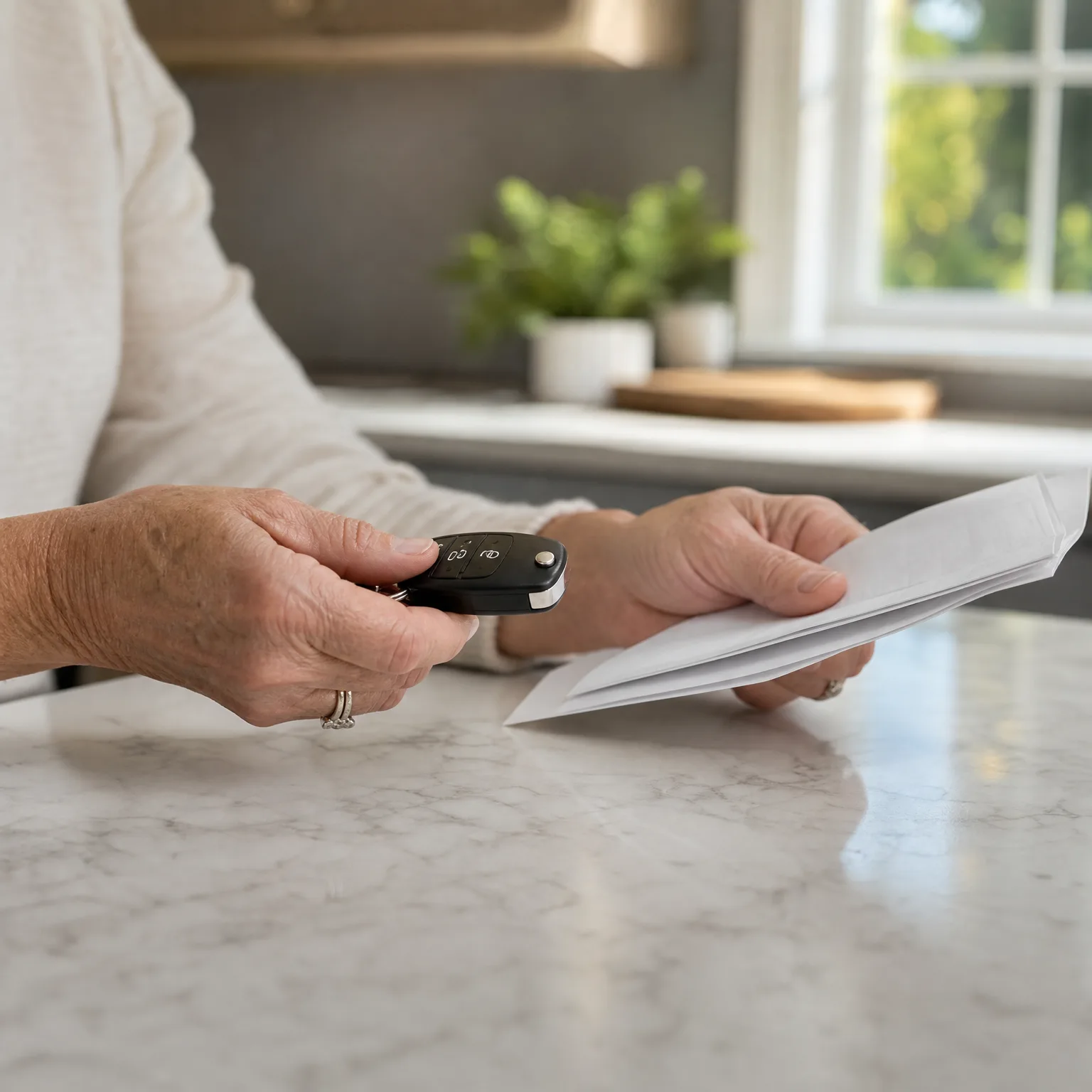
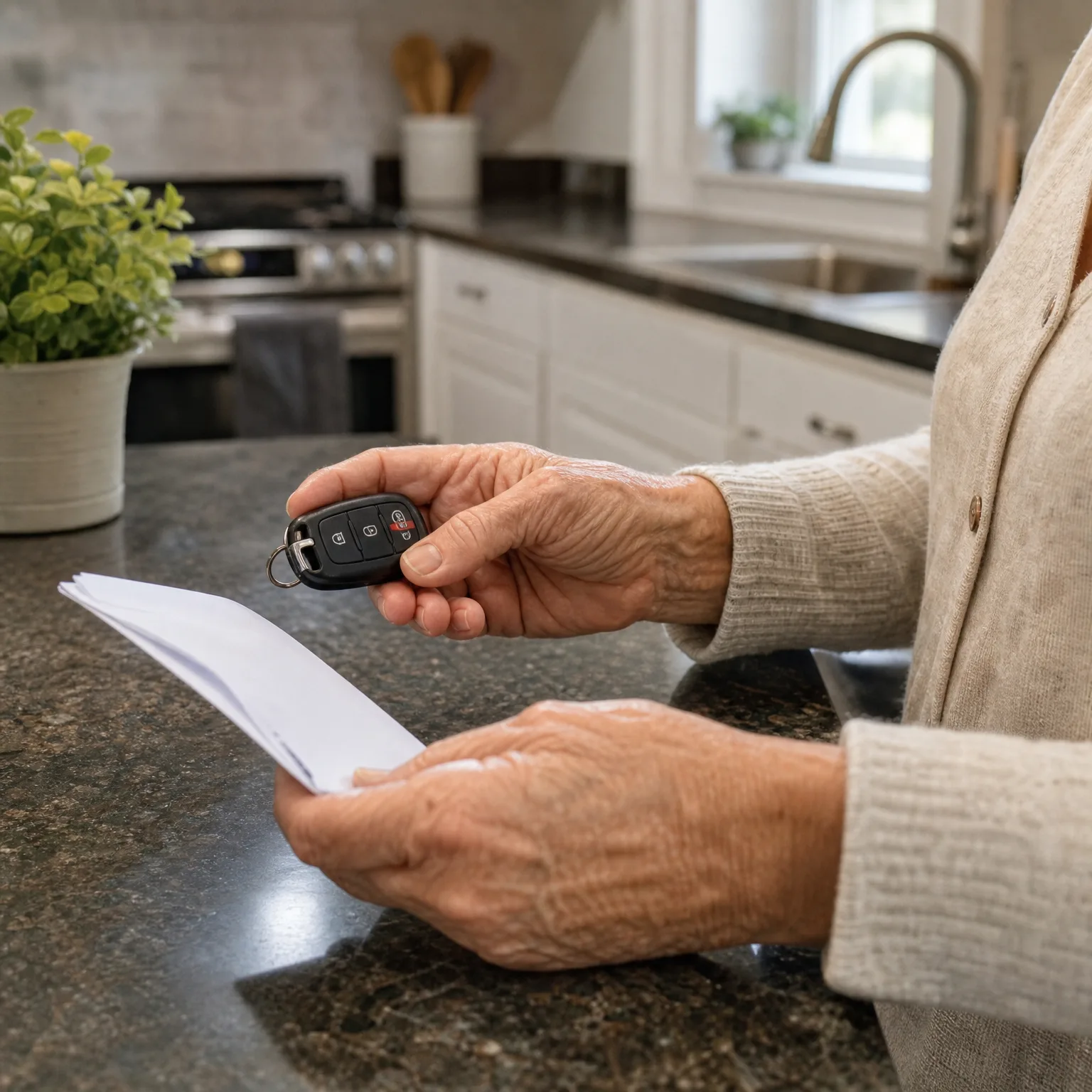
Many insurers in Michigan will lower your rate if you complete a driver improvement or defensive driving course aimed at older drivers. But the discount comes from submitting the certificate, not from taking the class. If you finish the course and the certificate sits in a drawer, nothing changes on your policy.
Not every course counts. Insurers typically require the course come from a provider they recognize, sometimes a specific organization or a state-approved list. Ask your insurer which courses qualify before you pay for one, so you're not left with a certificate they won't accept.
The discount usually lasts for a set period and then needs to be renewed by taking the course again. Ask your insurer how long the discount is good for, so you know when you'll need to retake it to keep the lower rate.
If you're comparing insurers, ask each one directly whether they offer a mature driver discount and what they need from you to apply it. Some will apply it right away, others only at your next renewal.
Questions people ask about this
Does Michigan require seniors to take a driving course to renew their license?
Any requirement like that comes from the Michigan Secretary of State, not from insurers, and it's tied to license renewal rather than your insurance rate. Check directly with the Secretary of State's office for the current rules on renewal requirements for older drivers, since insurance discounts and license renewal are handled separately.
Will my car insurance go up automatically once I reach a certain age?
Not automatically in the way a ticket would raise it, but insurers do factor age into their rates over time. If your premium goes up at renewal, ask your insurer directly whether age was a factor or whether something else changed, like your coverage limits or a claim.
Can I switch insurers to get a better senior discount without losing other discounts I have?
You can switch, but any discount tied to your current insurer, like a loyalty discount, won't transfer with you. Before switching, ask the new insurer to list every discount you'd qualify for so you can compare the full picture, not just the senior discount.
Does giving up my car for occasional use lower my insurance as a senior?
It can, but only if you tell your insurer and they adjust your policy to reflect lower mileage or occasional use. This isn't automatic either. Call your insurer and ask specifically about a low-mileage or occasional-driver discount if your driving habits have changed.
What happens to my discount if I have a health condition that affects my vision or reflexes?
This depends on your insurer and your state, not on the discount itself. A vision or medical issue could affect your license status through the Secretary of State separately from how your insurer prices your policy. Ask your insurer directly how a change in your driving ability, if any, would affect your coverage or rate.
See which Michigan insurers actually apply a senior or safe driver discount before you commit to one.
Call your current insurer this week and ask two things: what safe driver or mature driver discounts they offer, and exactly what they need from you to apply one, whether that's a course certificate, a clean record over a certain period, or proof of low mileage. If you've taken a driver improvement course recently, find that certificate now and send it in if you haven't already. Pull your driving record from the Michigan Secretary of State if you're unsure what's on it, since that shapes which discounts you can ask for. When you compare quotes from other insurers, ask each one the same two questions so you're comparing real numbers, not assumptions about what seniors generally get.