How Does Telematics Know Who Is Driving
The app uses your phone's motion and location patterns to guess who's driving, but it isn't always right.
It guesses from how the phone moves, not who's holding it
Telematics apps don't know your identity behind the wheel. They know how a phone moves through space, and they compare that movement against patterns that look like driving versus riding as a passenger. Speed, acceleration, the path the phone takes, and sometimes whether the phone is connected to the car's Bluetooth all feed into that guess.
Some systems ask you to confirm at the start of a trip whether you were driving or riding along. Others try to work it out on their own using phone sensors or a plug-in device wired to the car itself. Either way, the system is inferring, not verifying, and that's worth knowing before you rely on it to reflect your driving accurately.
Whether it's phone-based or plugged into the car changes what it can tell
A phone app relies on the phone's own sensors, its GPS, its accelerometer, and sometimes a connection to the car's Bluetooth system. If two people ride in the same car and both have the app running, the app has to work out which phone belongs to the person actually driving. It often does this by checking which phone has a steadier connection to the car's audio system, or by asking the driver to confirm at the start of the trip.
A device plugged into the car's diagnostic port works differently. It records that the car moved a certain way, but it still doesn't know which person was in the driver's seat. Some insurers pair the plug-in device with an app that asks you to confirm who was driving each trip.
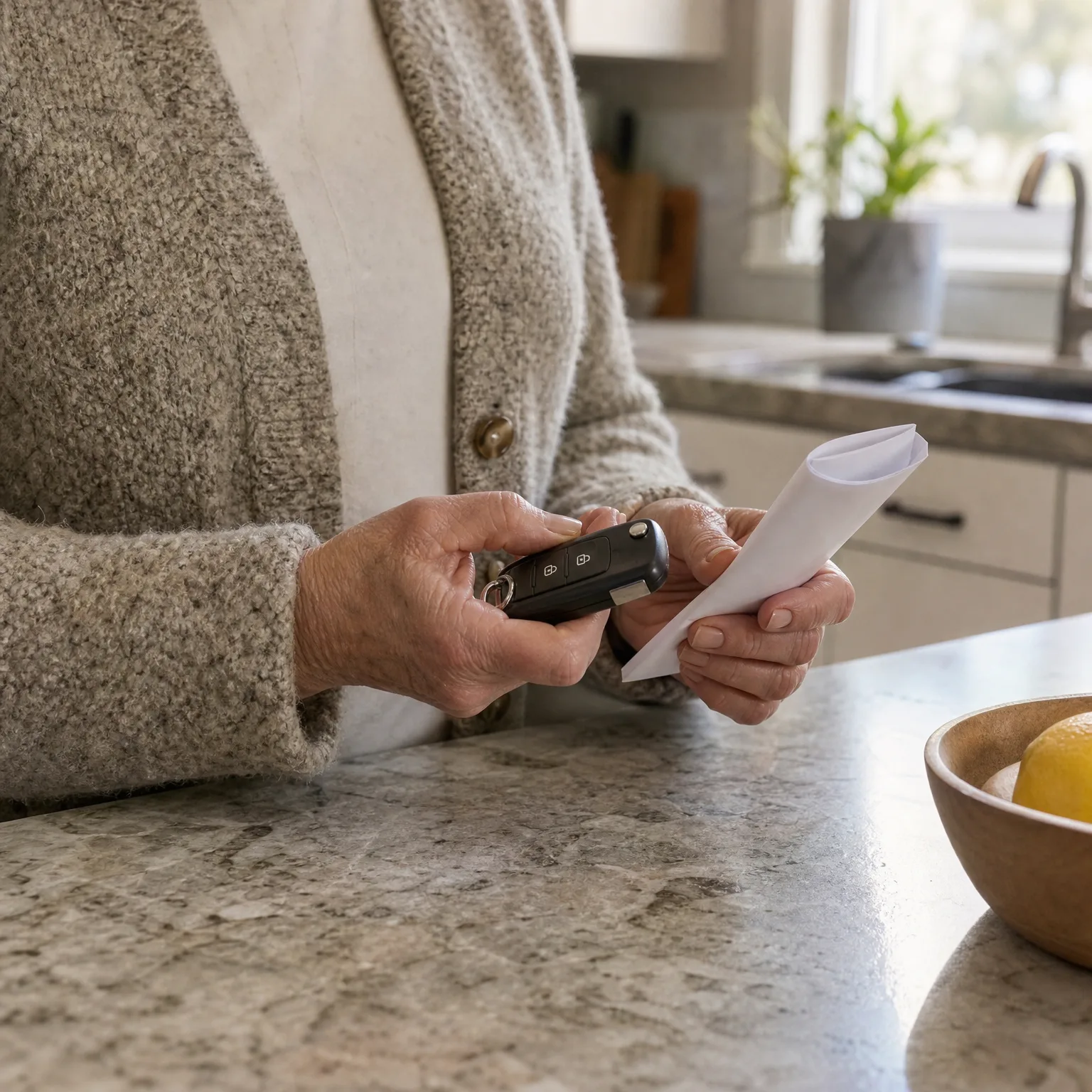
If you share a car with someone else in your household, this matters. A trip driven by someone else can get logged as yours if the apps mix up the phones, or if no one answers the prompt asking who was driving. Ask your insurer how their specific system handles a shared vehicle before you assume the data reflects only your driving.

What throws the system off, and what to check
Phone placement matters. A phone in a pocket, a bag, or clipped somewhere that moves independently of the car can produce readings that look like harder braking or more phone handling than actually happened. A phone mounted steadily tends to give a cleaner picture.
Ride-sharing, being a passenger in someone else's car, and multi-driver households are the most common reasons telematics misattributes a trip. If the app has a way to manually mark a trip as not yours, it's worth using it every time, because a handful of mislabeled trips can shift your overall score.
Ask your insurer directly how their app decides who was driving, whether it asks for confirmation, and how to correct a trip that got logged wrong. That answer differs by company, and getting it clearly before you enroll saves a dispute later.
Questions people ask about this
Can I dispute a trip that telematics says was me but wasn't?
Most insurers that offer telematics programs have some way to flag or remove a trip, but the process depends on the company. Check whether their app lets you mark a trip as a passenger trip and ask what happens to your score if you do.
Does telematics work if I don't own a smartphone?
Some programs use a plug-in device instead of a phone app, which can work without a smartphone, though it still can't identify who was behind the wheel. Ask your insurer what hardware options they offer if you don't want to use an app.
Will telematics penalize me for someone else's bad driving in my car?
It can, if the system attributes their trip to you and you don't correct it. This is most likely in households where more than one person drives the insured car, so ask your insurer how they distinguish between drivers on the same policy.
Does turning off location services stop telematics from tracking me?
It likely stops the app from recording useful data, which may affect your participation in the program rather than protect your score. Check your insurer's terms, since some treat missing data as a gap that still affects your discount.
Can telematics tell if I was a passenger and not the driver?
Some apps try to detect this using Bluetooth pairing with the car or a manual prompt at the start of the trip, but it isn't guaranteed to get it right. If you're frequently a passenger in a car with the app running, ask your insurer how passenger trips are filtered out.
See what other insurers say about how their telematics programs identify drivers before you commit to one.
Before you sign up for a telematics program, call your insurer and ask exactly how their system decides who was driving, whether it's phone-based or a plug-in device, and whether it asks for confirmation on each trip. If more than one person drives the car, ask specifically how the program handles that. Once you're enrolled, mount your phone the same way each time you drive and check the app after a few trips to see whether it's logging them correctly. If you ride as a passenger often, find out now how to mark those trips so they don't count against you later. Keep an eye on your trip history for the first few weeks rather than waiting until renewal to find a problem.