Does Parking in a Garage Lower Car Insurance
Some insurers reward it with a lower premium, but only if you tell them and only if they ask the right question.
Yes, for some insurers, if you report it
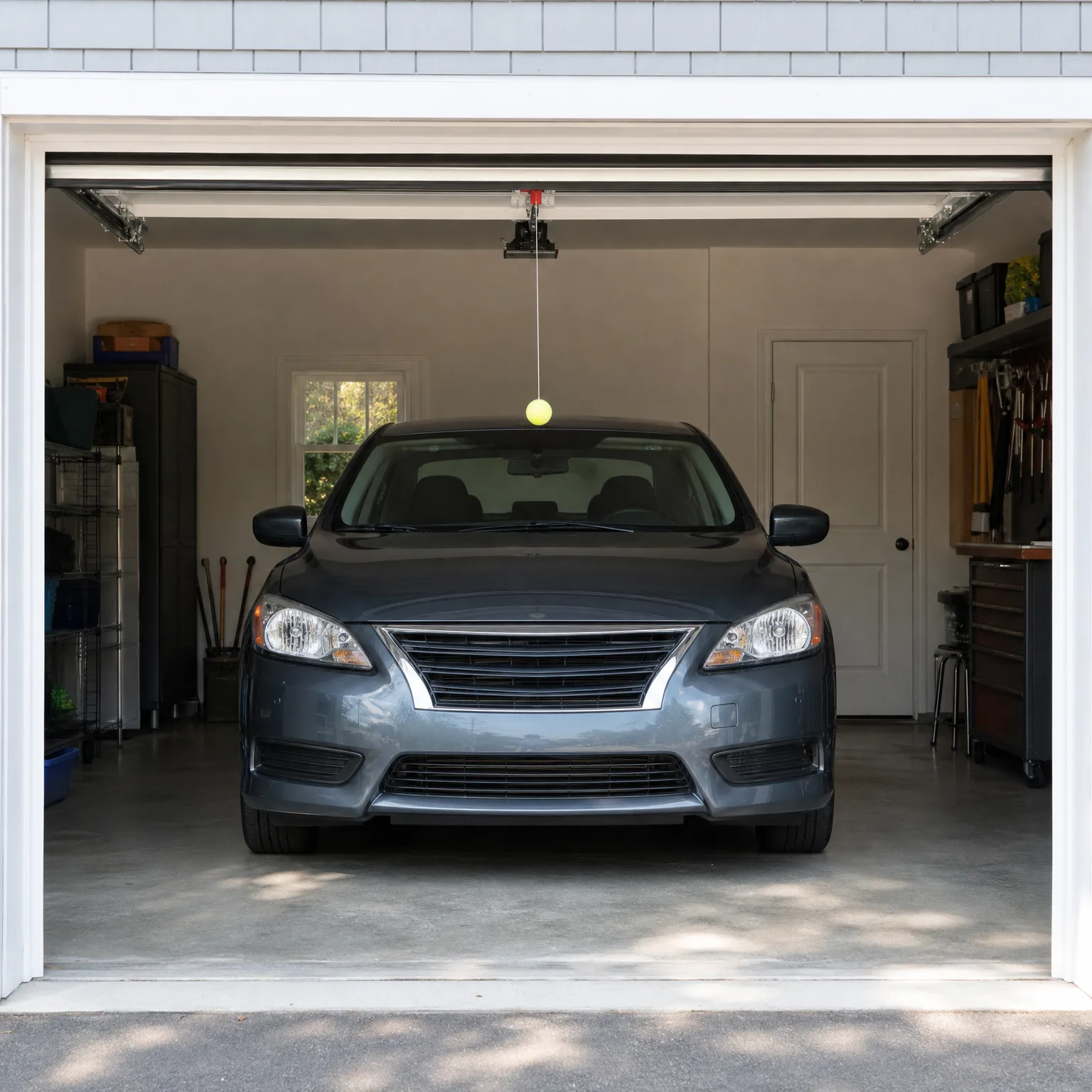
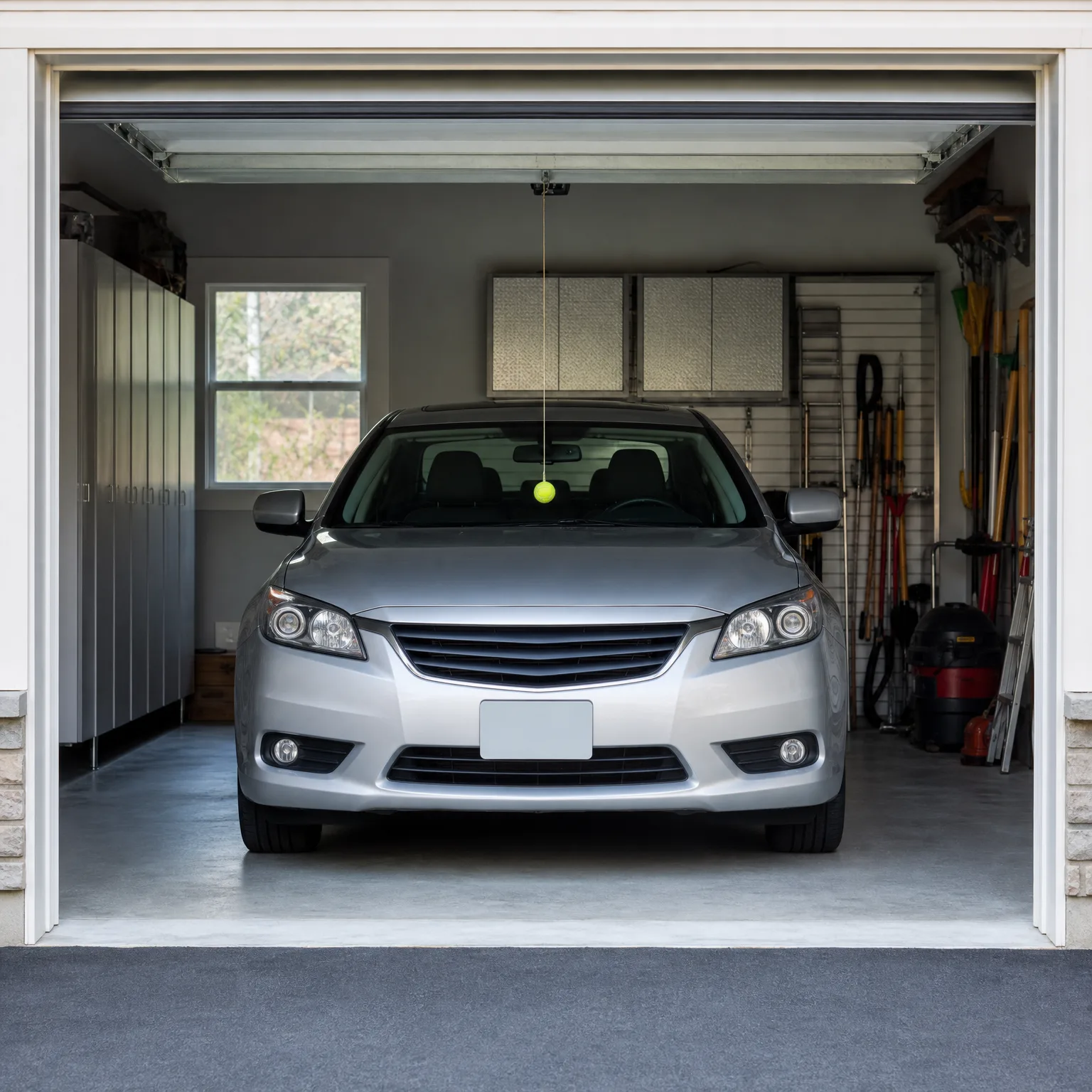
Parking in a garage can lower your premium, because it lowers the chance of theft, vandalism, and weather damage to your car. Insurers price those risks into your policy, and a car that sleeps in a garage overnight is a smaller risk on paper than one that sits at the curb.
Whether it actually changes your rate depends on your insurer. Some ask directly where your car is parked overnight and adjust the price for it. Others don't ask at all, or fold that detail into a broader rating factor you can't isolate. The only way to know is to ask your insurer whether garage parking affects your premium and whether you're already getting that credit.
Whether your insurer actually asks the question
Your premium reflects what your insurer knows about your car, and if they never asked where it's parked, they can't be pricing for it. Some applications have a specific field for overnight parking location. Others don't, and the assumption defaults to street parking or is left out of the calculation entirely.
If you moved, or if you've always parked on the street and recently got access to a garage, this is worth raising yourself. Call your insurer or agent and ask directly whether your parking location affects your rate and whether your file reflects where the car actually stays overnight.
This matters more for older drivers for a simple reason. Many have been with the same insurer for years, and their file may still show an address or parking situation from a previous renewal. A detail like this doesn't update itself. It updates when you tell them.
What most people get wrong about this
The common mistake is assuming the discount is automatic once you have a garage, the way a multi-car discount might be. It isn't. You have to tell your insurer, and in some cases show proof, like a lease or mortgage document listing a garage, or answer a question honestly on a renewal form.
The other mistake is assuming it matters everywhere equally. Garage parking tends to carry more weight in areas with higher rates of car theft or severe weather, like hail or hurricanes. If you live somewhere with low theft rates and mild weather, the discount may be smaller or may not exist with your particular insurer.
It's also worth knowing that a garage only helps if the car is actually in it. Insurers aren't checking nightly, but if you report a garage and routinely leave the car in the driveway, you're not getting the protection the discount is meant to reflect, even though you're still getting the price.
Questions people ask about this
Does a carport count the same as a garage for insurance?
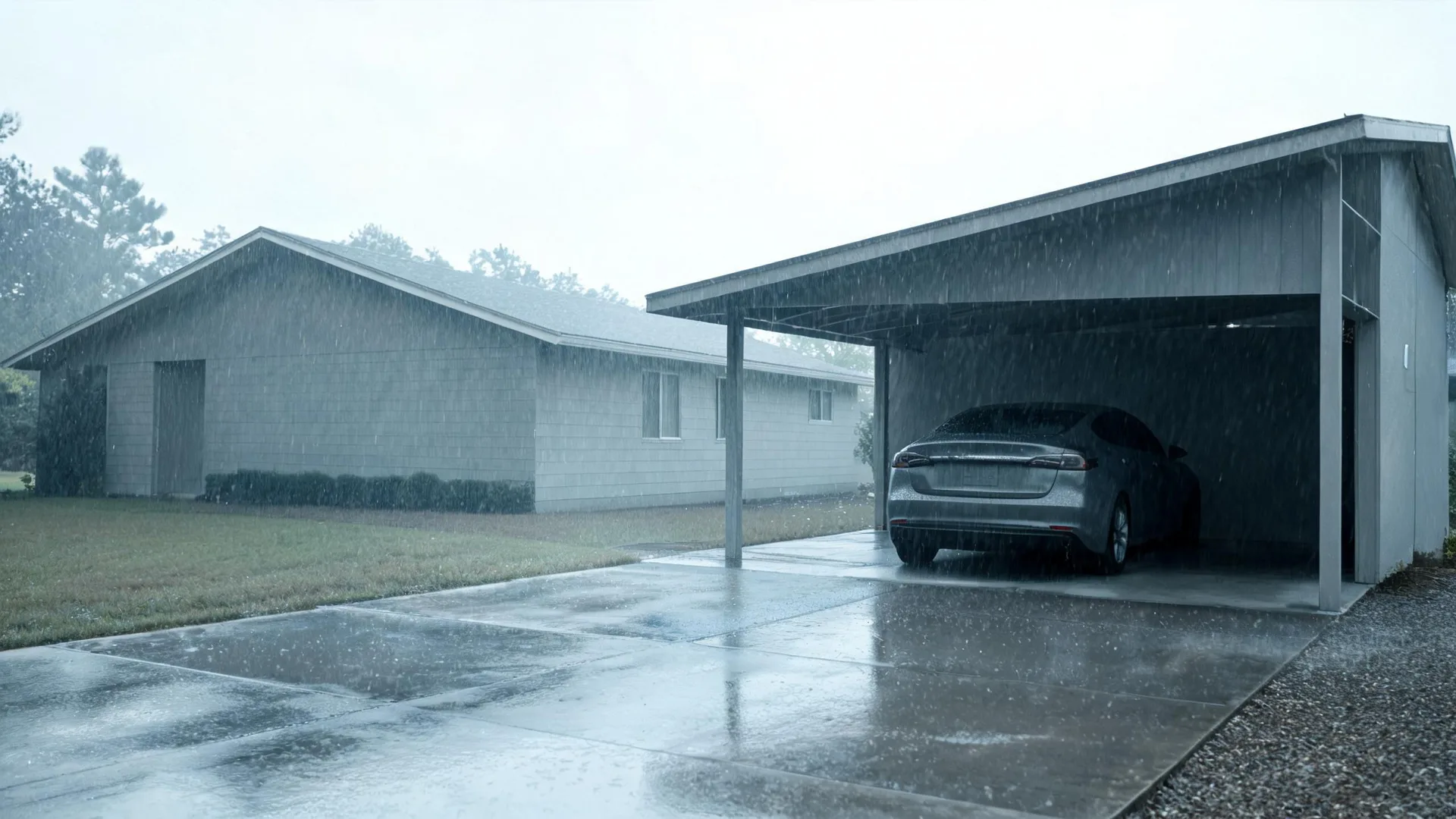
It depends on the insurer. Some draw a clear line between a fully enclosed garage and a carport, since a carport still exposes the car to weather and doesn't fully block access. Ask your insurer how they define the parking categories they use for pricing.
Will my insurer verify where I park my car?
Most insurers don't send someone to check, but they can ask for documentation, like a lease or deed, especially if the parking location affects your rate significantly. Giving inaccurate information is a form of misrepresentation that can affect a claim later, so answer honestly.
Does parking on the street raise my insurance rate?
It can, depending on your insurer and your area, because street parking carries more exposure to theft, vandalism, and collision. Whether it actually raises your specific premium depends on how that insurer weighs parking location against your other rating factors.
Should I tell my insurer every time I change where I park?
Yes, if the change is permanent, such as moving to a home with a garage or losing access to one. A temporary change, like parking on the street for a weekend, isn't something insurers expect to hear about. Ask your agent where that line falls for your policy.
Does a home security system lower my insurance the same way a garage does?
It can, but it's a separate factor from parking location, and insurers may price them independently or together. Ask your insurer whether they offer a discount for monitored security systems and whether it stacks with any parking-related adjustment.
If a garage might be worth something on your policy, it's worth seeing what different insurers would actually charge.
Call your current insurer or agent this week and ask two things: whether garage parking affects your premium, and whether your file currently reflects where your car is parked overnight. If you don't already have one, ask what documentation they'd need to apply it. While you're at it, ask whether anything else on your file is outdated, since an old address or an old vehicle use can also be sitting there unchanged. If your insurer doesn't offer a garage discount or the answer feels vague, that's a reasonable moment to see what other insurers would charge for the same coverage.