Do Seniors Get a Discount for Not Commuting
Some insurers lower your rate when you stop commuting, but you usually have to tell them your mileage changed.
It depends on your insurer, not your age
Insurance companies price part of your policy on how many miles you drive each year. If you stop commuting, your annual mileage drops, and some insurers will lower your premium because of that. This isn't a senior discount by name. It's a low-mileage discount, and you qualify for it by driving less, whatever your age.
Your insurer won't know your mileage changed unless you tell them. Retiring doesn't automatically update your file. You have to call or log into your account and report your new estimated annual mileage, sometimes with an odometer reading, before it affects your premium.
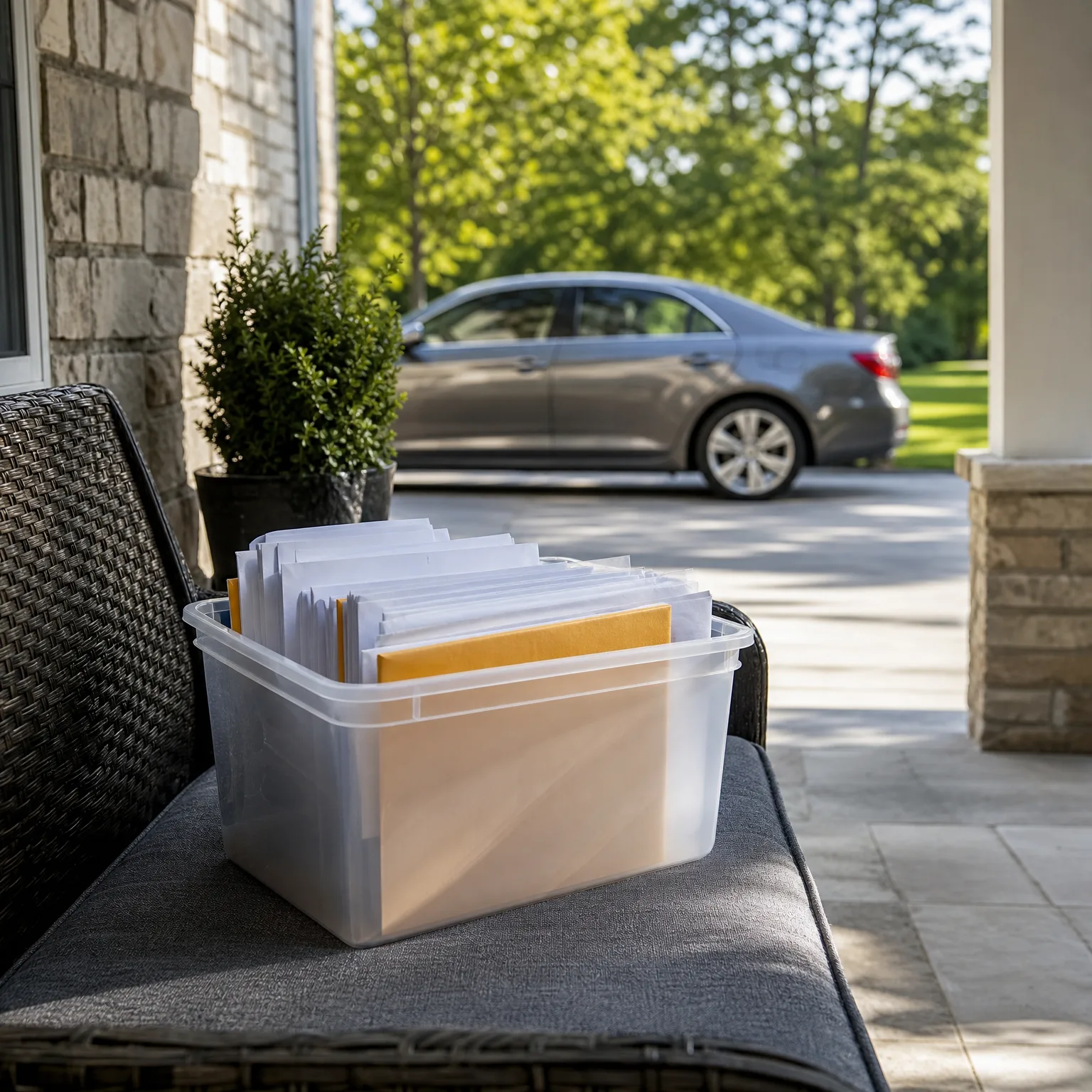
How your insurer estimates mileage matters
When you first got your policy, you gave an estimate of how many miles you drive in a year, and that number fed into your rate. Commuting miles, especially a daily drive to work, push that estimate up. Once you stop commuting, your real mileage is lower, but your file still shows the old estimate until you correct it.
Some insurers ask for a new estimate once a year at renewal. Others let you update it anytime you call. A few use a mileage tracking device or app, and in that case your rate adjusts based on what the device actually records, not an estimate.
Ask your insurer directly which method they use. If it's based on your stated estimate, ask what you need to report and whether they want proof, such as an odometer photo. If it's device based, ask whether enrolling in that program is optional and what it requires.
Even a modest drop in annual mileage can be worth asking about, because some insurers have mileage bands where crossing a threshold changes which rate tier you fall into.

What people miss when they ask for this discount
The most common mistake is assuming the discount applies automatically once you retire. It doesn't. You need to initiate the conversation with your insurer and give them an updated number.
Another thing people miss is that an insurer may ask for an estimate of total annual mileage, not just commuting miles removed. If you still drive for errands, visits, or trips, give an honest full estimate rather than just subtracting your old commute, since insurers sometimes check mileage against odometer readings at renewal or during a claim.
It's also worth asking whether your insurer has a separate low-mileage discount with its own threshold, since some set a specific annual mileage cutoff you need to fall under to qualify, and that cutoff is set by each company rather than being the same everywhere.
Questions people ask about this
How do I prove my mileage went down?
Most insurers accept your own estimate, sometimes with an odometer reading at renewal. Some ask for a photo of your odometer or use a plug-in device or app that tracks actual miles driven. Ask your insurer which proof they require before you report a new number.
Will my rate go up if I start driving more again?
It can, if you reported a lower mileage estimate and your actual driving increases significantly. Insurers may ask you to update your estimate at renewal, and a mismatch between your estimate and your actual mileage can affect your rate or come up if you file a claim. Report changes in either direction.
Does retiring affect my insurance in other ways besides mileage?
It can affect how your insurer classifies your vehicle use, shifting it from commuting to pleasure use, which is a separate category from the mileage discount itself. Ask your insurer whether they distinguish between the two, since some discounts depend on use classification and others depend purely on the number reported.
Is a low-mileage discount the same as a senior discount?
No, they're different things that can overlap. A low-mileage discount is based on how much you drive, regardless of age. A senior discount, if your insurer offers one, is usually tied to completing a defibrillator course or to your age directly. Ask your insurer which discounts you qualify for separately.
Can I get this discount if I only commute part time now?
Possibly, since reducing your commuting days still lowers your annual mileage estimate even if you haven't stopped entirely. Give your insurer your best honest estimate of total annual miles based on your current routine, and ask whether partial reductions are enough to move you into a lower mileage tier.
See what other insurers would charge for your mileage before you accept your renewal number.
Check your most recent renewal notice for the annual mileage estimate your insurer has on file. Compare it to what you actually expect to drive now that you're not commuting, using your odometer if you have an old reading to work from. Call your insurer and ask them to update your mileage estimate, and ask whether they need an odometer reading or photo as proof. Ask whether they offer a mileage tracking device or app, and what the enrollment involves if you're interested. While you have them on the phone, ask whether retiring changes your vehicle use classification from commuting to pleasure use, since that can matter separately from mileage. Once you have your updated premium, compare it against quotes from other insurers to see whether you're still getting a competitive rate for your new driving habits.