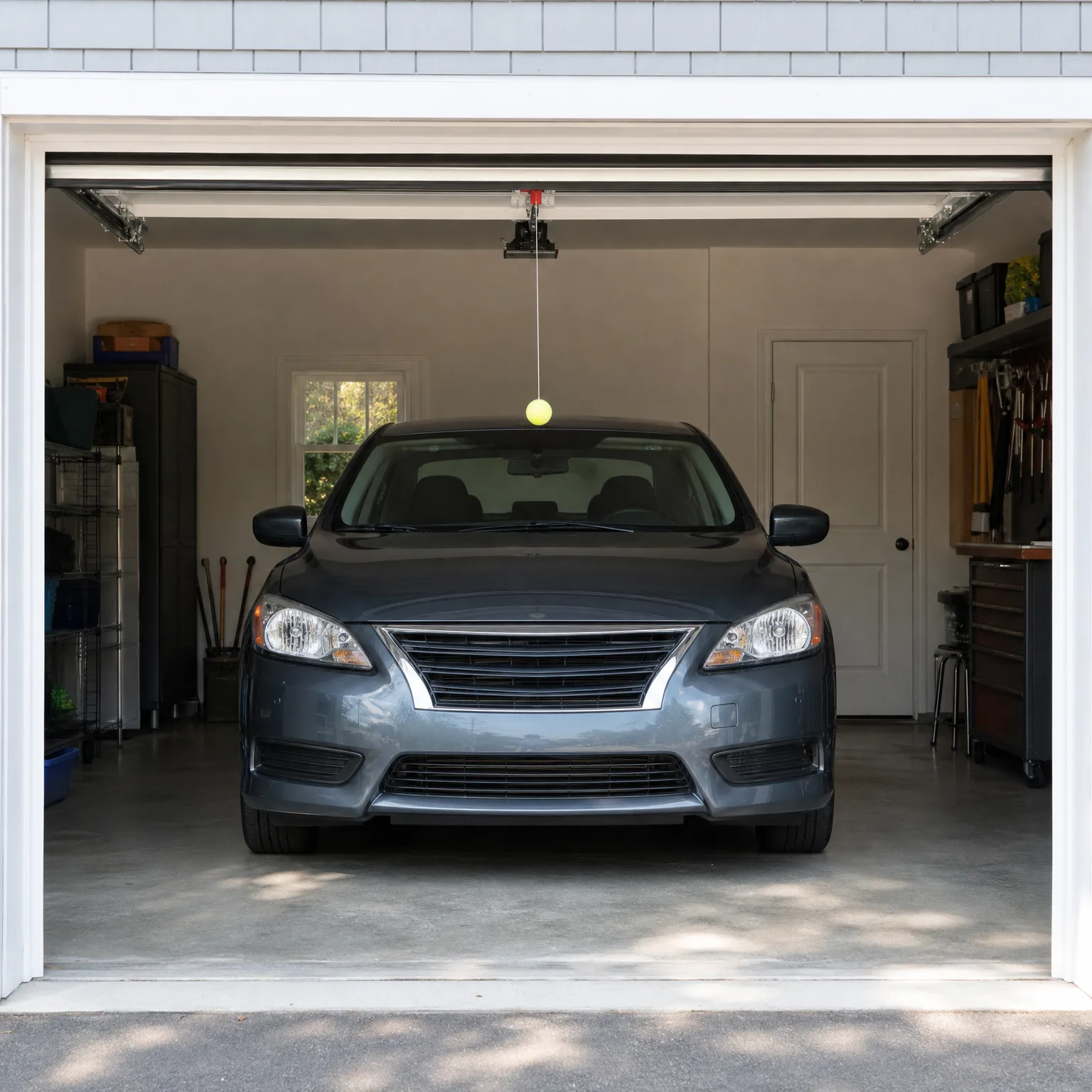
Can I Insure Two Cars on One Policy for a Discount
Most insurers will put two cars on one policy and lower the rate for each one.
Yes, if the cars are registered to your household
Insurers generally let you combine two vehicles under one policy as long as they're kept at the same address and driven by people in your household. The discount comes from spreading the insurer's fixed costs, the paperwork, the billing, the risk assessment, across two cars instead of issuing two separate policies.
The size of the discount and the exact rules for qualifying come from the insurer, not from any state law. Some insurers want both cars registered in the same name. Others will combine a policy for a married couple or for parent and adult child living at the same address. Ask your agent or insurer directly what they require.
Who owns the second car matters
If both cars are registered to you, this is usually straightforward. Most insurers will combine them without asking many questions.
It gets more specific if the second car belongs to a spouse, a grown child, or another relative living with you. Some insurers will still combine the policy in that case. Others require the second driver to be related to you or married to you, and some want everyone on the policy to be a listed driver on both cars.
If you're combining a policy with an adult child who has their own driving history, ask how that affects your rate. A newer driver or one with a few violations could raise what you pay for both cars, even though only one of you has that record.
If the arrangement doesn't fit neatly, call the insurer and describe it exactly. Guessing at the rule costs more than asking.

What people get wrong about combining policies
A lot of people assume insuring two cars together is the same as adding a car to an existing policy. It's related, but not identical. Adding a second car to your current policy is usually how this discount happens, rather than opening a brand new combined policy from scratch.
Another common mistake is assuming the discount is automatic once two cars are listed. It's based on the insurer's own underwriting, and it can depend on things like how old each car is, where you live, and the driving record of whoever drives each one.
Some people also expect the discount to double their savings. It doesn't work that way. The multi-car discount is usually a percentage off, not a flat amount, so the actual savings depend on what each car costs to insure on its own.
If you're comparing this against two separate policies, ask for a quote both ways. The side-by-side numbers tell you more than anything else.
Questions people ask about this
Can I insure two cars with different drivers on one policy?
Usually yes, if the drivers live at the same address or are closely related, but insurers vary on this. Some require every regular driver of either car to be listed on the policy. Ask the insurer directly whether an unrelated housemate or roommate can be added.
Does combining two cars on one policy affect my coverage limits?
No, each car typically keeps its own coverage limits and deductible even when billed under one policy. You can usually choose different coverage levels for each car based on its value and your own preference. Check your declarations page to confirm each vehicle is listed with its own coverage, not a shared limit.
What happens if I sell one of the two cars on a shared policy?
You'll need to tell your insurer so they can remove that car and adjust your premium. The multi-car discount usually disappears once only one vehicle remains, since it was based on having two. Ask ahead of time how your rate would change if you dropped to one car, so there are no surprises.
Can I combine two cars on one policy if they're registered in different states?
This depends on the insurer and sometimes on state insurance rules, since coverage requirements differ by state. Some insurers can cover vehicles registered in different states under one policy if you have a presence in both. Others won't. Call the insurer and describe exactly where each car is registered and garaged.
Is a multi-car discount better than bundling home and auto insurance?
They're different discounts and some insurers let you stack both. A multi-car discount is based on the number of vehicles, while a home and auto bundle is based on the number of policy types. Ask your insurer whether combining both discounts is possible, since the better deal depends on your specific situation.
See what combining both cars on one policy would actually save you.
Find your current declarations page or renewal notice for both vehicles and have the VIN, mileage, and primary driver for each one ready. Call your current insurer and ask directly whether they'll combine the two cars and what the household or ownership rules are. While you have them on the phone, ask how the discount is calculated and whether it changes if one driver has a different record. Then get a quote for the combined policy and compare it against what you're paying now for both separately. If the savings aren't clear, ask the insurer to show the two numbers side by side before you decide.